
Wooden pallets are widely used for moving, storing, and transporting goods. However, when pallets are used for international transportation, the type of wood and how it has been treated can become important. Heat treatment is one method used to reduce the risk of pests being transported with wood packaging materials.
Understanding heat treated wooden pallet benefits can help businesses make better decisions when selecting pallets for domestic distribution, export shipments, warehouses, and other applications. Factors such as pallet performance, treatment requirements, safety, durability, and overall cost should all be considered before choosing a pallet type.
What Is a Heat Treated Wooden Pallet?
A heat treated wooden pallet is manufactured from wood that has undergone a controlled heating process. The wood is heated to a specified temperature for a required period to help eliminate certain insects and other organisms that may be present in the wood.
Heat treatment is different from simply drying timber. The treatment is carried out according to specific requirements, particularly when the pallets are intended for international trade.
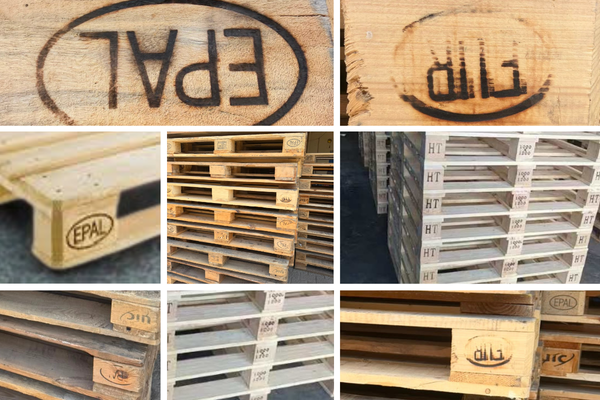
Businesses should also look for the appropriate treatment marking when purchasing pallets for export. The marking provides information about the treatment applied to the wood and helps demonstrate that the packaging has been processed according to applicable requirements.
Why Are Wooden Pallets Heat Treated?
Untreated solid wood can potentially contain insects or other organisms that may be transported from one country to another. If these pests enter a new environment, they can create risks for forests, plants, and agricultural resources.
Heat treatment helps reduce this risk by treating the wood before it is used for packaging or pallets.
This is particularly important for international shipments. Many countries follow requirements based on ISPM 15, an international standard covering wood packaging material used in international trade.
Heat treatment therefore serves a purpose beyond improving the condition of a pallet. It can help businesses meet phytosanitary requirements when shipping goods across borders.
Key Benefits of Heat Treated Wooden Pallets
There are several advantages of heat treated wood pallets, particularly for businesses involved in transportation and international logistics.
First, heat treatment helps reduce the likelihood of live pests being transported in the wood. This makes treated pallets more appropriate for many export applications.
Second, properly manufactured pallets provide a stable platform for handling goods with forklifts, pallet jacks, and other equipment. The overall performance still depends on the pallet’s design, wood quality, construction, and intended load.
Another important benefit is compliance. Using appropriately treated and marked wood packaging can make international shipping processes more straightforward when the destination country requires compliant wood packaging.
The heat treated wooden pallets benefits should therefore be considered from both a practical and regulatory perspective rather than focusing only on the initial purchase price.
How Heat Treatment Affects Pallet Performance
Treatment is only one part of pallet quality. A pallet’s performance also depends on its dimensions, construction, wood grade, fasteners, load capacity, and condition.
A properly designed pallet should be capable of supporting the intended load during handling and transportation. Its performance can also be affected by how the pallet is stored and handled.
For example, pallets exposed to excessive moisture may deteriorate regardless of whether they have been heat treated. Similarly, damaged boards, loose nails, or broken stringers can affect safe handling.
When evaluating heat treated wooden pallet performance, businesses should therefore consider the complete pallet specification rather than assuming heat treatment alone determines strength or durability.
For heavier goods, the pallet design should be selected according to the actual load requirements. A lightweight pallet may be appropriate for one application but unsuitable for another.
Heat Treated Pallets and International Shipping
International shipping is one of the most important applications for treated wooden pallets.
When solid wood packaging crosses international borders, destination countries may have specific requirements designed to prevent the spread of wood-borne pests. ISPM 15 provides an internationally recognized framework for treating and marking certain wood packaging materials.
This means businesses exporting products should check the requirements of their destination market before selecting pallets. The rules can vary depending on the country, type of shipment, and packaging material.
A properly treated and marked pallet can help businesses avoid unnecessary complications during customs and border inspections. However, compliance should always be confirmed for the specific destination because treatment requirements and import regulations can change.
Safety and Marking Requirements
A heat treated pallet should not be judged only by its appearance. The treatment status and appropriate marking are important when the pallet is being used for applications covered by international wood packaging requirements.
The ISPM 15 mark is generally used to identify compliant wood packaging material. It provides information about the country or organization responsible for the mark, the producer or treatment provider, and the treatment method.
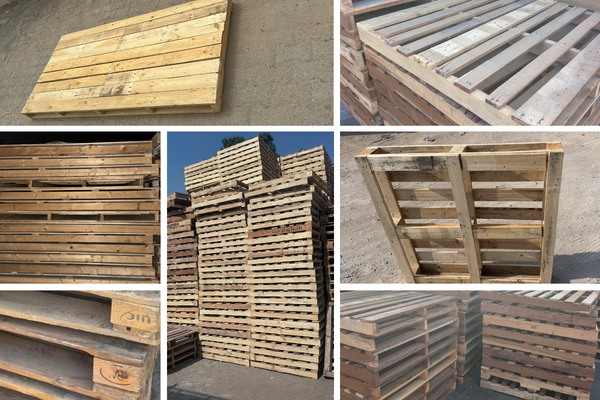
Businesses should also inspect pallets before use. Even a correctly treated pallet may become unsuitable if it is significantly damaged.
Look for problems such as:
- Broken boards
- Protruding nails
- Loose components
- Severe cracks
- Contamination
- Signs of excessive moisture or deterioration
Safe pallet handling involves both selecting an appropriate pallet and checking its condition before use.
What Affects Heat Treated Wooden Pallet Costs?
The price of a pallet depends on several factors, so there is no single cost that applies to every application.
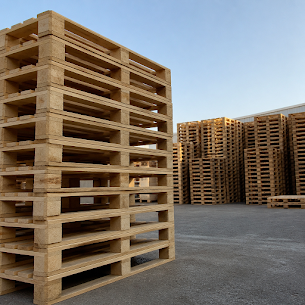
Heat treated wooden pallet costs can be influenced by pallet dimensions, wood quality, construction style, load requirements, treatment requirements, order quantity, and customization.
Larger or heavier-duty pallets generally require more material and may therefore cost more. Custom dimensions can also affect production costs compared with standard pallet sizes.
The intended use matters as well. A pallet designed for lightweight warehouse storage may have different specifications from one intended for heavy industrial goods or export transportation.
When comparing prices, businesses should look beyond the purchase price. A pallet that meets the required specifications and performs reliably may provide better value than a cheaper option that is unsuitable for the intended load or shipping conditions.
For large orders, quantity can also influence pricing. Businesses should compare pallet specifications, treatment status, quality, and delivery requirements rather than comparing price alone.
How to Choose the Right Heat Treated Pallet
Start by identifying what the pallet needs to carry and where it will be used.
Consider:
- The weight and dimensions of the goods
- Whether the pallet will be exported
- Required pallet dimensions
- Storage and handling conditions
- Expected frequency of use
- Applicable treatment and marking requirements
- Available budget
For international shipments, verify the treatment and marking requirements before placing a large order. For domestic use, the requirements may be different, so there may be no reason to select a specification that exceeds your actual needs.
It is also worth discussing your requirements with a knowledgeable pallet supplier. At Nejoum Al Lail, businesses can discuss pallet specifications based on their intended application, load requirements, and shipping needs.
Heat Treated Wooden Pallets from Nejoum Al Lail
For businesses looking for wooden pallets for storage, transportation, or export applications, Nejoum Al Lail can help identify pallet options based on practical requirements. The right choice depends on factors such as dimensions, load capacity, wood quality, treatment needs, and intended use.
Rather than selecting a pallet based solely on price, businesses should consider whether the pallet specification is appropriate for the goods and transportation environment. This approach can help reduce handling problems and provide better value over the useful life of the pallet.
Frequently Asked Questions
What are the main benefits of heat treated wooden pallets?
The main benefits include reducing the risk of wood-borne pests, supporting international shipping requirements, and providing a suitable wood packaging option for many transportation applications.
Are heat treated pallets required for international shipping?
They may be required when solid wood packaging is used for international trade. Requirements are generally based on applicable regulations such as ISPM 15, but businesses should verify the specific rules of the destination country.
How can you identify a heat treated pallet?
A compliant pallet used for international trade should generally carry the appropriate treatment mark. The mark provides information about the treatment and the organization responsible for it.
Are heat treated pallets more expensive?
Treatment can affect the overall price, but cost also depends on pallet size, wood quality, design, order quantity, customization, and load requirements. Comparing the complete specification is more useful than looking at treatment cost alone.
Final Thoughts
Heat treatment is an important consideration when wooden pallets are used for international transportation. It helps reduce the risk of transporting wood-borne pests and can support compliance with applicable wood packaging requirements.
However, treatment should not be the only factor considered when selecting a pallet. Heat treated wooden pallet performance also depends on construction, wood quality, load requirements, handling, and storage conditions.
By understanding the advantages of heat treated wood pallets, checking treatment and marking requirements, and comparing total value rather than price alone, businesses can select pallets that are better suited to their transportation and storage needs.